

The Human Algorithm: How AI Is Rewriting Marketing Psychology
Business Marketing, Psychology of Sales
The Science of Attention Has a New Player
For more than a century, marketers have studied why people make purchasing decisions. Now, the science of capturing human attention has a powerful new player: artificial intelligence (AI).
AI is not only changing how we analyze data—it’s changing how we understand human behavior itself. At Corunit Media Corp, we call this convergence Cognitive Marketing 2.0 — the intersection of neuroscience, empathy, and advanced algorithms in marketing.
From Demographics to Deep Behavior

Traditional marketing often relied on broad demographics – grouping audiences by age, gender, or income.
In healthcare marketing, for example, campaigns might target patients by general age groups or conditions. Modern AI-driven marketing looks much deeper, focusing on intent, emotion, and context behind each interaction. Every click, scroll, or even hesitation is now a behavioral cue.
Advanced AI systems (like OpenAI’s ChatGPT, Google’s upcoming Gemini, or Anthropic’s Claude) can interpret these subtle cues to predict what someone may feel, fear, or desire next. This capability doesn’t replace classic consumer psychology; it amplifies it. Marketers gain a richer, real-time understanding of patient and consumer behavior, enabling more personalized and effective outreach than ever before.
AI and the Rise of “Empathy Metrics”
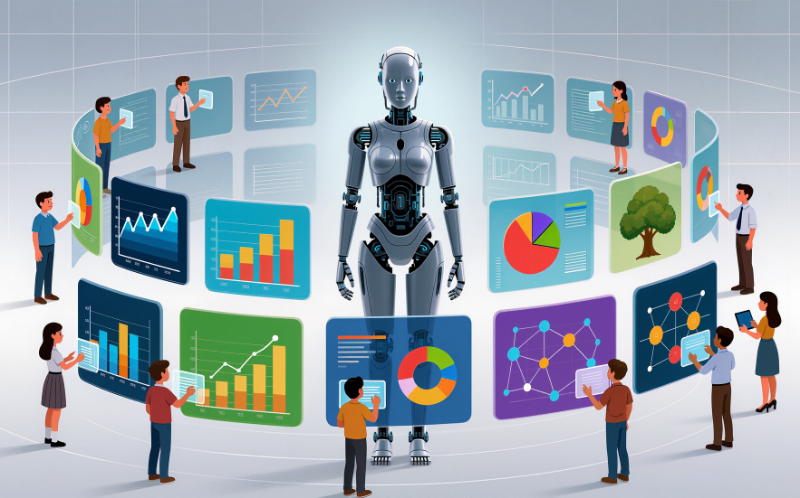
Major search engines and social platforms now reward brands that communicate in a human and relatable way. These algorithms measure factors like tone, transparency, and helpfulness — elements we refer to as “empathy metrics.”
In practice, this means content should resonate on a human level, not sound like dry corporate jargon. We bake these signals into every campaign by analyzing key sub-metrics such as:
Sentiment PolarityGauging how positive, comforting, or supportive your language feels to the reader.
Ensuring your message is easy to grasp, minimizing any confusion or mental effort for the audience.
Mapping where emotions rise or fall across your content (for instance, identifying points where excitement or reassurance should peak during a webpage scroll).
When your marketing content mirrors natural human communication rhythms, visitors tend to engage longer and more deeply. They feel understood rather than sold to.
In turn, AI-powered platforms take note of these positive engagement signals. Content that strikes an empathetic, clear tone is recognized as trustworthy and user-friendly, which can boost its visibility in AI-driven search results and social feeds.
How We Apply Psychology + AI in Real Campaigns
Merging psychology with AI isn’t just a theory for us—it’s how we design campaigns daily, especially for sensitive sectors like healthcare. Here are a few of the AI-powered psychological strategies we deploy in real marketing campaigns:
Emotional UX Mapping
We guide users through a natural emotional sequence:
- Curiosity: Hook attention with bold openings
- Confidence: Build trust with clear credentials
- Relief: Ease concerns through empathy and design
- Action: Prompt users at the right emotional moment
Narrative
Sequencing
We use storytelling instead of sales funnels:
- The customer is the hero
- The brand is the guide.
- Challenges are real, and transformation is personal
Predictive Content Modeling
Machine learning drives strategy:
- Predicts the best tone and format per audience
- Segments based on behavior (e.g., video vs. concise copy)
- Delivers content that resonates and converts
Ethical
Personalization
AI enhances experience without compromising trust:
- Relevant, non-invasive recommendations.
- No use of sensitive or intrusive data.
- Respectful, user-first personalization.
The end result of these techniques is campaigns that feel like genuine conversations, not advertisements.
The Ethical Edge of AI in Marketing
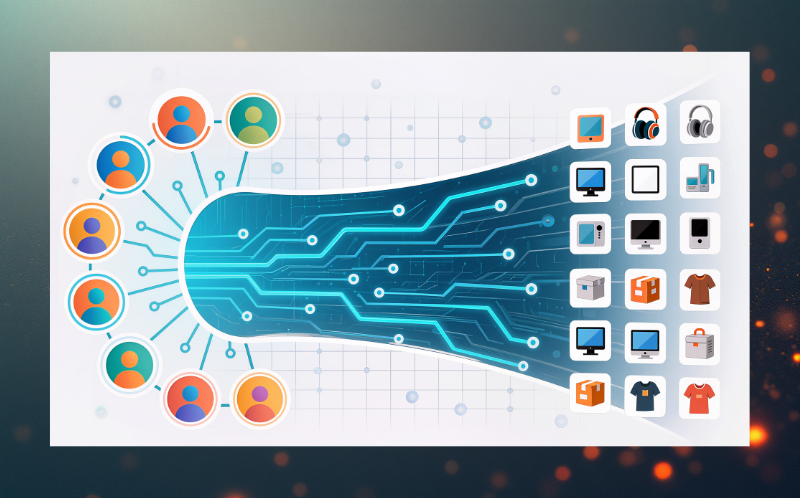
AI can detect emotion and patterns in user behavior, but it should never manipulate them – this is especially critical in healthcare marketing, where decisions can profoundly affect wellbeing. Corunit’s AI-driven approach follows strict ethical principles to maintain trust and integrity:
Transparency in Data CollectionWe are upfront about what data is collected and how it’s used. Users (and patients) deserve to know when AI is in play. Honesty builds trust.
We never prey on people’s anxieties or create false urgencies. For example, a healthcare campaign should educate and reassure, not scare someone into a decision. AI is used to inform and assist, not to amplify fears.
Every AI-enhanced element in our marketing is designed to help the end user achieve their goals or get useful information. We never design against the user’s interest. If a personalization tactic doesn’t genuinely benefit the consumer, we won’t use it.
In healthcare, this ethical stance is a competitive advantage as much as a moral one. Patients and customers stick with brands they trust. Long-term loyalty is built on integrity, not impulse.
By using AI responsibly – enhancing clarity, empathy, and usefulness – marketers can build stronger relationships instead of one-off transactions.
Results from Empathy-Based Optimization

Does this AI-meets-psychology approach really pay off? Absolutely. One wellness client (a healthcare brand) who shifted from traditional ad campaigns to Corunit’s AI-enhanced, empathy-driven model saw significant gains:
- +36% increase in engagement time per page – Visitors spent much longer on the site, indicating content that truly held their interest.
- +22% higher conversion rate for appointments – More website visitors took the step of booking a consultation or service, thanks to messaging that resonated with their needs and concerns.
- 40% drop in bounce rate – Far fewer people left the site immediately. The content was engaging and relevant enough that they stayed to explore instead of bouncing away.
- Higher search visibility in AI-powered results – The site’s content was even featured in several Gemini AI overviews (AI-generated summary answers in search) due to its clear, trustworthy tone. In other words, the clarity and empathy we built in were recognized by next-gen search AI, giving the brand additional exposure to users.
These metrics demonstrate the power of aligning AI analytics with human-centric marketing. By optimizing for empathy and understanding, you don’t just achieve better numbers – you achieve more meaningful connections with your audience, which is the foundation of sustained success for healthcare brands.
Ready to get started?
Start your AI-powered marketing today.
Contact UsFrequently Asked Questions
 1. What is Cognitive Marketing 2.0?
It’s Corunit’s framework that combines neuroscience, empathy, and AI to understand real human behavior. It helps healthcare brands craft emotionally intelligent campaigns that connect, not just convert.
2. How does AI improve healthcare marketing?AI analyzes behavior patterns—clicks, pauses, and engagement—to predict what people need or feel. It allows marketers to personalize patient journeys and deliver the right message with empathy and precision.
3. What are empathy metrics?Empathy metrics measure how human, clear, and supportive your content feels. Examples include sentiment tone, clarity, and emotional pacing—factors AI uses to identify trustworthy, user-centered content.
4. How can AI personalize healthcare content ethically?By using data responsibly. Ethical personalization respects privacy, gains consent, and recommends helpful resources without exploiting fear or sensitive data.
5. What measurable results can brands expect?AI-driven empathy marketing boosts engagement, lowers bounce rates, and increases conversions. One client saw +36% engagement, +22% more appointments, and inclusion in Gemini AI overviews.
6. Why is ethics critical in AI marketing?Trust drives long-term success in healthcare. Corunit’s approach avoids manipulation, ensures transparency, and designs every campaign for user benefit—protecting both compliance and credibility.
7. How do you keep AI strategies ethical?We use an ethics checklist: disclose data use, ban manipulative tactics, require human review of personalization, and perform periodic fairness and compliance audits.
8. Is personalization safe for medical and wellness audiences?Yes—when implemented ethically. For healthcare, we require strict privacy controls, minimal data retention, explicit consent, and anonymized signals. Personalization should enhance relevance and care, never exploit vulnerabilities.
9. Will AI replace marketers or psychologists?No. AI augments human expertise by automating pattern recognition and scaling personalization. The best outcomes pair machine predictions with human judgment, creativity, and ethics.
The Future of Marketing Psychology
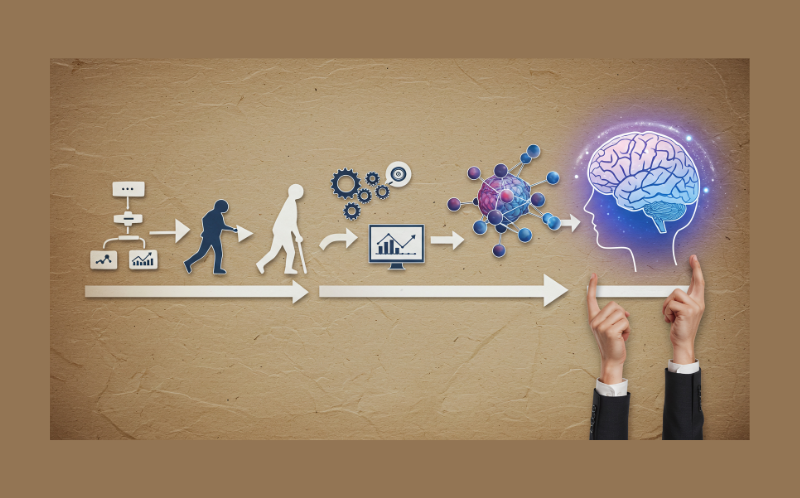
The next frontier of AI in marketing will push understanding of human behavior to new levels. Soon, emotion detection will extend beyond text alone. AI tools are rapidly evolving to read voice tone, facial expressions, and even micro-pauses or hesitations in video and audio interactions. Brands that practice empathy and authentic communication today will be best prepared to thrive in that future scenario.
At Corunit Media, we’re already preparing for this emotion-aware, multimodal future. As AI becomes more perceptive, the most successful brands will still be those that lead with empathy, clarity, and human trust. Technology may evolve—but respect for the audience will always drive results.
Tags What do you think? Show comments / Leave a comment Contact UsWhat to read next
How to Optimize Your Website for AI Search Results
Future-Proof Your Brand: A 6-Step Strategy (2026 Guide)