
Geofencing marketing

Draw a fence. Reach everyone inside it

Programmatic display to the devices at a competitor’s address, a trade show, a hospital — anywhere your buyers physically go
What it is

Device ID targeting, made profitable

Device ID technology lets us draw custom digital fences around your chosen locations for a set window of time, then target the people inside them by the exact demographics you want to reach.
If those devices fit your ideal customer, we turn that data into a highly targeted programmatic display campaign. Our clients have seen remarkable ROI — and insight into their audience they never had before.
50,000 impressions per month — the minimum delivery we commit to on a standard campaign written into your scope before you sign
The buying journey

The right message at every stage

People don't buy on the first ad

Awareness

Get on their radar the moment they're nearby.

Interest

Feed them a reason to care and learn more.

Intent

Nudge the ready-to-act with a timely offer.

Purchase

Close the loop with a clear call to action.

Loyalty

Keep them coming back long after the sale.
How targeting works

You pick the places, we draw the fences

Tell us where your customers already go, and we'll build the zones that capture them — down to a hand-drawn shape around a single building
Team mapping out target locations for a geofencing campaign

Submit your locations

Send us at least 10 target locations and we analyze which ones will win the impressions that matter.

Hand-drawn fences

We custom-draw shapes around each spot and identify devices that entered anywhere from three days to a full year ago.

Quick-select categories

Need a whole category? We can pull device IDs from, say, every lawyer's office in your area in one move.
Why Corunit

The toolkit behind the fence

Geofencing lives or dies on the quality of the data and the honesty of the reporting

Pinpointed targeting

Audience insight reports

Conversion zones

Foot-traffic attribution

Robust data elements
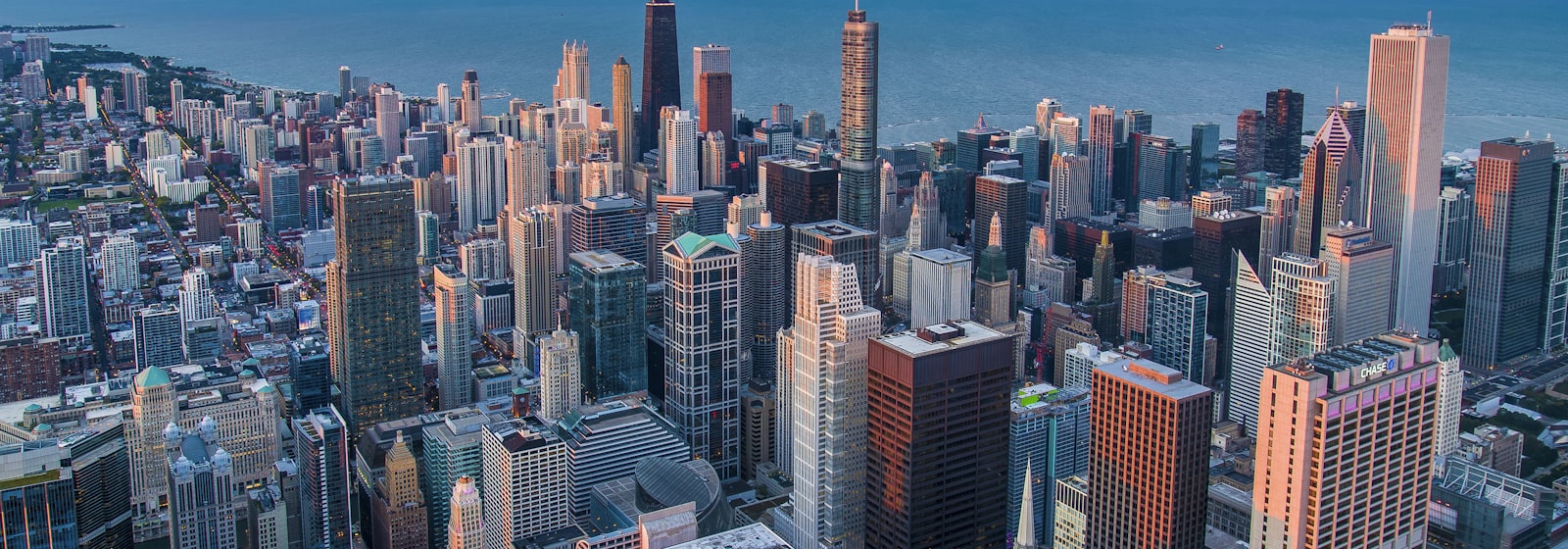
Aerial view of a city district showing the streets and buildings a campaign would target

Your customers are already somewhere

A competitor's car park. A trade show floor
Where we draw the line

The locations we won't fence

Location targeting has had a serious regulatory reckoning
Compliance documents being reviewed before a campaign launch

Sensitive locations are excluded, by policy

Between 2024 and 2025 the FTC issued orders against several location data brokers over exactly this — building audiences from visits to medical and reproductive health facilities and places of worship. We don't fence hospitals, clinics, treatment centres, places of worship, schools or private residences, and we won't build an audience that infers a health condition. If a vendor tells you they can, that should end the conversation.

What healthcare clients get instead

Geography, intent and category — not clinical visits. We fence catchment areas, employers, gyms, retail corridors and events, and pair it with search and reputation work. You still reach the right neighbourhoods without touching data that puts your practice on the wrong side of a regulator.

Consented inventory, opt-outs honoured

We buy through compliant programmatic supply using anonymised mobile advertising IDs, and we honour state privacy opt-outs. Device IDs are advertising identifiers, not names — we can tell you a device visited a shopping centre on a Tuesday, never who they are.

Context, if you want to read it yourself: FTC order, Gravy Analytics & Venntel (Jan 2025) · FTC order, X-Mode & Outlogic (2024). We build with compliance in mind and work alongside your legal team — we don't provide legal advice or guarantee regulatory compliance.

Audience insights

Know exactly who you're reaching

Every device carries the story of who visited your targeted locations and when
Audience by day of the week
Audience by hour of the day
Top 5 zip codes visiting the fence
Frequency of visits
Age range among visitors
Approximate household income
Good questions

Geofencing, answered

Curious whether it fits your business? Ask us on a free audit — nothing to lose.
What is geofencing marketing
It uses device ID technology to draw digital boundaries around specific locations and target the people inside them by demographics and behaviour. That lets you serve display ads to potential customers who physically entered those zones, rather than guessing from broad demographics.
How far back can you target devices
Anywhere from three days to a full year, depending on the campaign. A short look-back suits event and seasonal work; a long one suits considered purchases where the buying cycle runs for months.
What is a conversion zone
A second fence drawn around your own location. When a device that saw your ad later enters it, that visit is attributed back to the campaign. It's how geofencing proves real-world footfall rather than just impressions.
How many locations do I need to target
We ask for at least ten, so there's enough device volume to deliver meaningful reach. We analyse which ones will actually produce audience worth paying for — and we'll tell you when a location you suggested isn't worth fencing.
Can you geofence hospitals, clinics or other sensitive places
No — and be wary of any vendor who says yes. The FTC has issued orders prohibiting the use of geofencing to build audiences from visits to medical and reproductive health facilities and places of worship. We exclude sensitive locations by policy, and for healthcare clients we target intent and geography rather than clinical visits.
Is geofencing legal and privacy compliant
Standard commercial geofencing using consented, anonymised mobile advertising IDs is lawful. What regulators have acted against is precise location data tied to sensitive sites and sold without verified consent. We work only with compliant inventory sources, exclude sensitive categories, and honour state privacy opt-outs.
What reporting do I get
Impressions and delivery by fence, audience insight reports covering visit day, hour, frequency, top zip codes, age range and income band, plus foot-traffic attribution showing which exposed devices later visited your location.
How does geofencing compare to paid search
Paid search catches people already looking for you. Geofencing reaches people based on where they physically go, before they start searching. Search captures existing demand; geofencing creates it. Businesses with a physical location or a defined catchment usually want both.
What kind of businesses does geofencing suit best
Anything with a physical catchment or an event-driven audience: retail, hospitality, home services, auto, professional practices, and conference or trade-show marketing. If your customers never travel to a predictable place, your budget is usually better spent on search.
Free consultation

Let's map out your first campaign

Tell us about your business, your goals, and your ideal customers. We'll take the time to understand them and show you exactly which locations to fence — with nothing to lose.